Why Consequences Don't Work: Teaching Skills Instead of Shame
I spent years thinking consequences would teach my children. Time outs. Lectures. "You should know better." It made sense, that's how most of us were raised, and it's what we were told works.
But here's what I've learned: consequences don't build skills. They build shame. And shame doesn't teach children what to do differently. It teaches them to carry a harsh inner voice for the rest of their lives.
So I started doing something different.
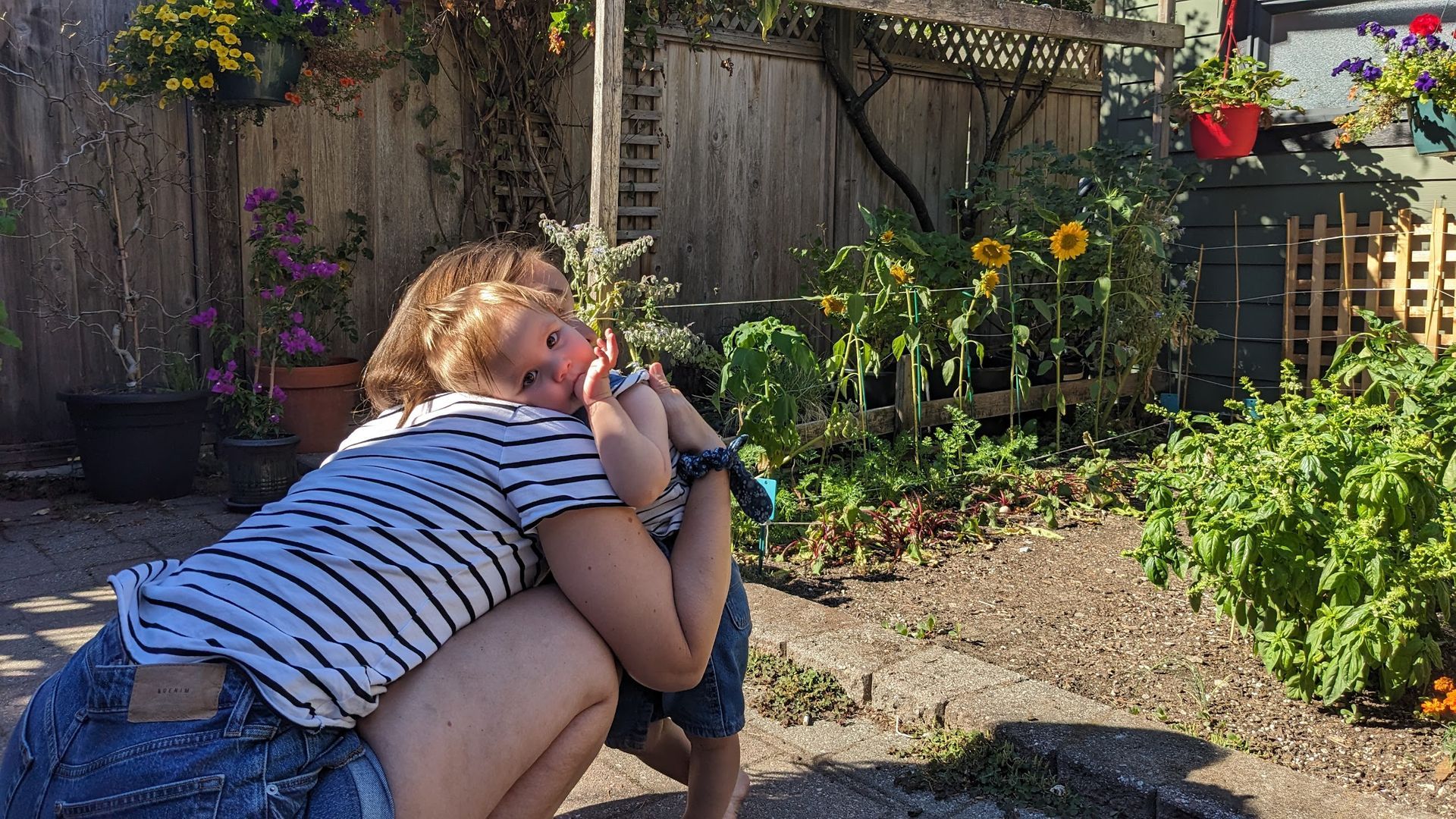
Instead of punishing behavior, I started teaching skills. Instead of forcing apologies, I started translating what was happening in each child's body. For example, when my child hit her sibling, instead of "Say sorry right now," I'd get down to her level and say, "Your body got really big just then. I think you were frustrated because she took your toy. Let's figure out what to do when that feeling comes up." Instead of demanding "Go do that," I started saying "Let's do it together."
These small shifts changed everything, not just for my children, but for me.
Because these aren't just parenting strategies. They're about breaking generational cycles of raising children through fear and shame.
The voice our children will have in their heads when they're 30? It's being formed right now. By us. In how we respond when they make mistakes. Whether we see them as problems to fix or humans still learning. Whether we position ourselves as their team or their enemy.
I'm not saying it's easy. Some days I have nothing left to give. I also "flip my lid." I have generations inside me of maladaptive ways of interpreting children's behaviors as something they are doing to us, as defiance, as disrespect, as a personal attack. Unlearning that doesn't happen overnight.
But I keep coming back to this: we chose to raise these humans. Now it's our job to teach them, not through shame, but through leadership.
That means holding boundaries while still holding connection. It means being honest when we mess up, so they learn that mistakes aren't the end of the world. It means doing the uncomfortable work of looking at our own patterns so we don't pass them on.
If you're a parent, teacher, or caregiver trying to do things differently, you're not alone. The fact that you're questioning the old ways means you're already on the path.
We're rewriting childhood. One moment at a time.
What This Looks Like in Practice
If you're wondering where to start, here are a few shifts that made the biggest difference in our home:
- Name the feeling, not the behavior.
Instead of "Stop hitting," try "You're really frustrated right now. I can
see that. Let's find a way to get that feeling out safely." When we label what's happening inside a child's body, we teach them emotional literacy, which is the foundation of self-regulation
- Replace "Go say sorry" with connection.
Forced apologies teach children to perform, not to feel. Instead, try guiding them back to the other person when they're ready: "Your sister is sad. What do you think might help her feel better?" This builds genuine empathy rather than empty words.
- Use "Let's figure this out together" instead of "Go to your room."
Isolation sends the message that big feelings are something to deal with alone. Sitting with your child through the hard moment, even when it's uncomfortable, teaches them that they are not too much, and that relationships can survive conflict.
- Pause before you react.
This one is for us, not them. When your child pushes a boundary, take a breath. Ask yourself: what is my child trying to tell me right now? What skill are they missing? That pause is where the old cycle breaks and the new one begins.
And yes...
It Starts With Us
None of this is about being a perfect parent. There is no such thing. It's about being a present one. A parent who is willing to look at their own wounds. A parent who chooses connection even when it would be easier to control.
Your children don't need you to have all the answers. They need you to stay in the room. To repair when you get it wrong. To show them that growth is possible at any age.
That's how we rewrite childhood. Not all at once, but one brave, messy, honest moment at a time.